What causes atrial fibrillation?
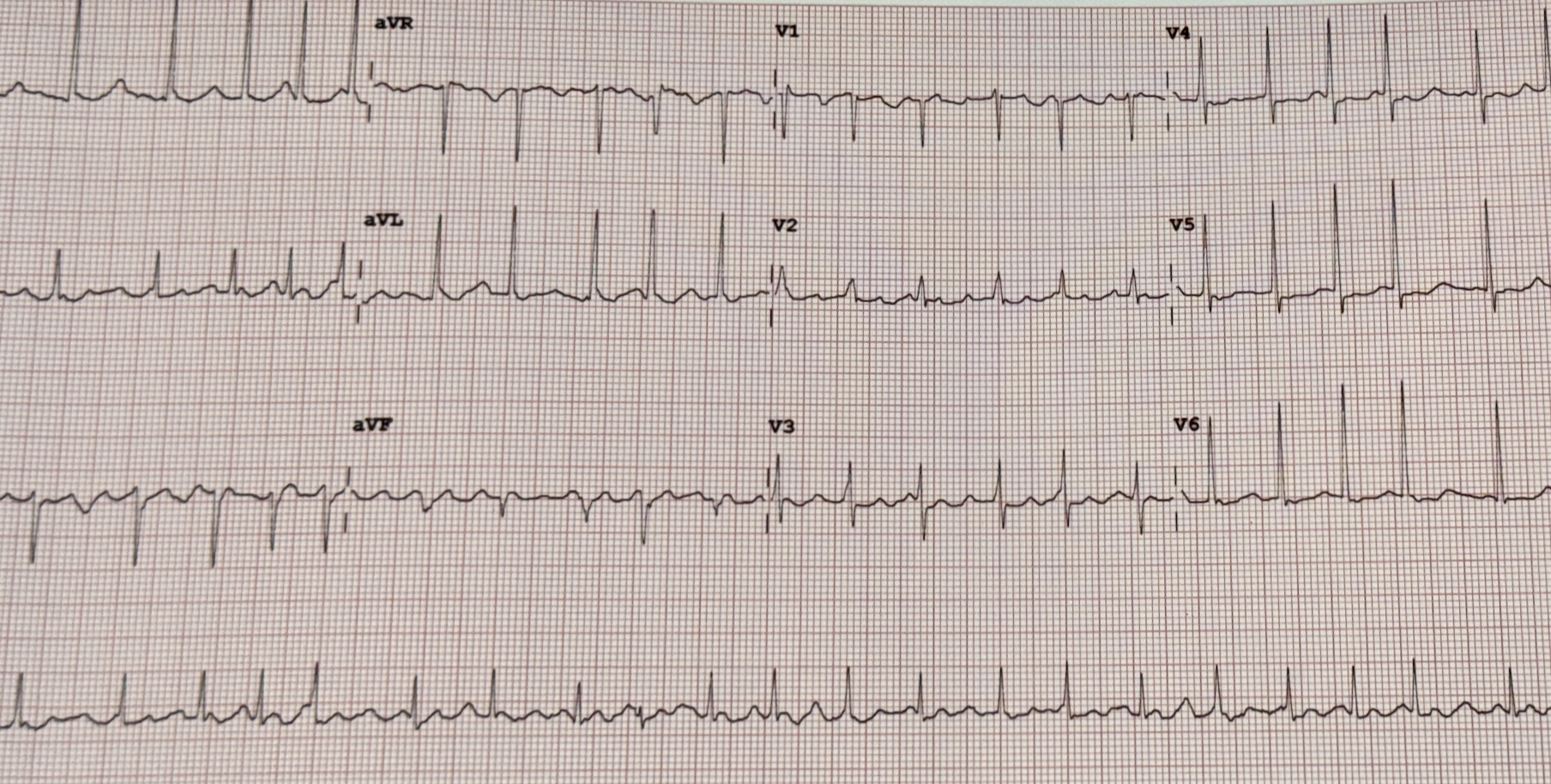
Atrial fibrillation (AF) is a common heart rhythm condition where the heart’s upper chambers (the atria) beat in a fast, irregular, uncoordinated way. Many people are told they have AF and immediately ask: “Why did this happen to me?”
The most important idea is that AF usually has more than one cause. In many people, the heart becomes more vulnerable over time (because of blood pressure, sleep issues, weight, ageing, or heart structure), and then a shorter-term trigger (like an infection, dehydration, or alcohol) can bring on an episode.
How doctors think about “causes”
Doctors often group AF causes into:
- High blood pressure (often over many years)
- Sleep apnea and breathing problems during sleep
- Excess weight and metabolic health issues
- Heart valve problems or heart failure/stiffness
- Age-related changes in atrial tissue
- Infections and inflammation (e.g., chest infections)
- Dehydration, low potassium or magnesium
- Alcohol (especially binge drinking) and stimulants
- Thyroid overactivity
- After surgery or major illness
Why identifying causes matters
Finding contributing causes is not about blame. It is about identifying fixable drivers. Many causes are modifiable (blood pressure control, sleep apnea treatment, weight loss, alcohol reduction). Addressing these factors can reduce AF episodes and improve overall health.
Explore causes (one page per cause)
| Cause category | What it means | Go to page |
|---|---|---|
| High blood pressure | Long-term pressure load changes the heart and stretches the atria. | High blood pressure |
| Heart structure & valves | Valve disease and structural heart changes enlarge/irritate the atria. | Structure & valves |
| Electrical system | How heart wiring and “misfiring” can lead to AF. | Electrical system |
| Lifestyle | Alcohol, stimulants, weight, fitness extremes, stress. | Lifestyle |
| Sleep & breathing | Sleep apnea and nighttime oxygen swings strongly contribute. | Sleep & breathing |
| Illness & temporary triggers | Infection, surgery, dehydration, electrolytes, thyroid. | Illness triggers |
| Genetics | Inherited tendency, early-onset AF, family patterns. | Genetics |
| Ageing | Age-related atrial changes can lower the threshold for AF. | Ageing |