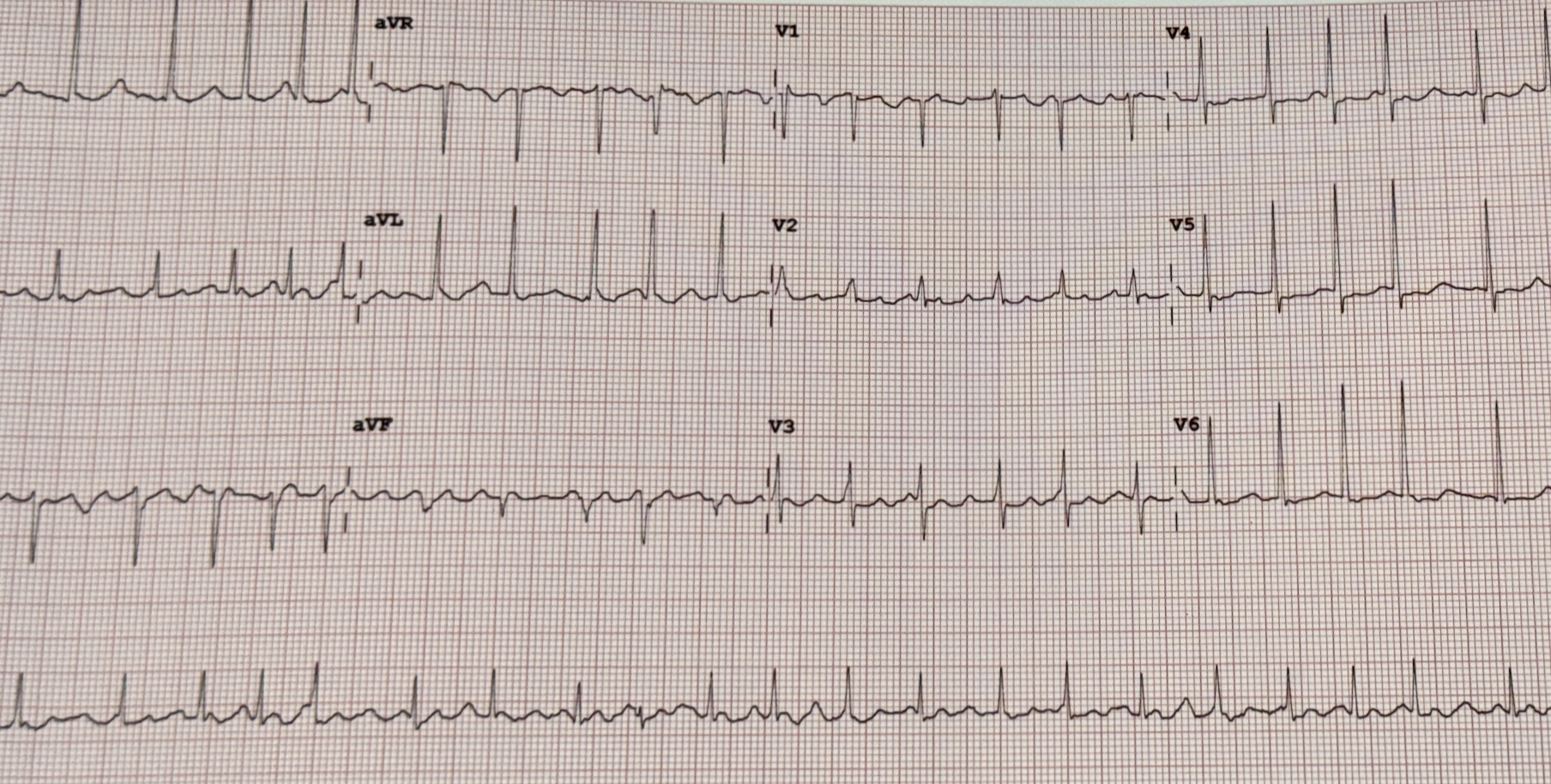
The heart’s electrical system and atrial fibrillation
AF is an electrical rhythm problem, but the underlying reasons often include physical changes in the atria as well. Understanding the electrical side can make AF feel less mysterious.
How normal rhythm works
Normally, a small area in the right atrium (the sinus node) starts an electrical signal. That signal spreads smoothly through the atria, then passes to the ventricles via the AV node. This produces a regular heartbeat.
How AF starts
AF often begins when extra electrical sparks (premature beats) occur in sensitive areas, particularly near the veins returning blood from the lungs (the pulmonary veins). Many people never feel these early triggers; they simply notice the irregular pulse when AF begins.
Why AF keeps going
AF is more likely to continue when the atria have areas that conduct electricity unevenly. This can happen with:
- Stretching (enlarged atria)
- Inflammation
- Scarring and tiny areas of fibrosis (a type of stiffening of tissue)
- Age-related changes
“AF tends to make AF more likely”
Many clinicians explain AF progression with a phrase: “AF begets AF.” This means repeated episodes can gradually make the atria more prone to AF. Not everyone progresses, but in some people AF becomes more frequent or more persistent over time.
Example ECG